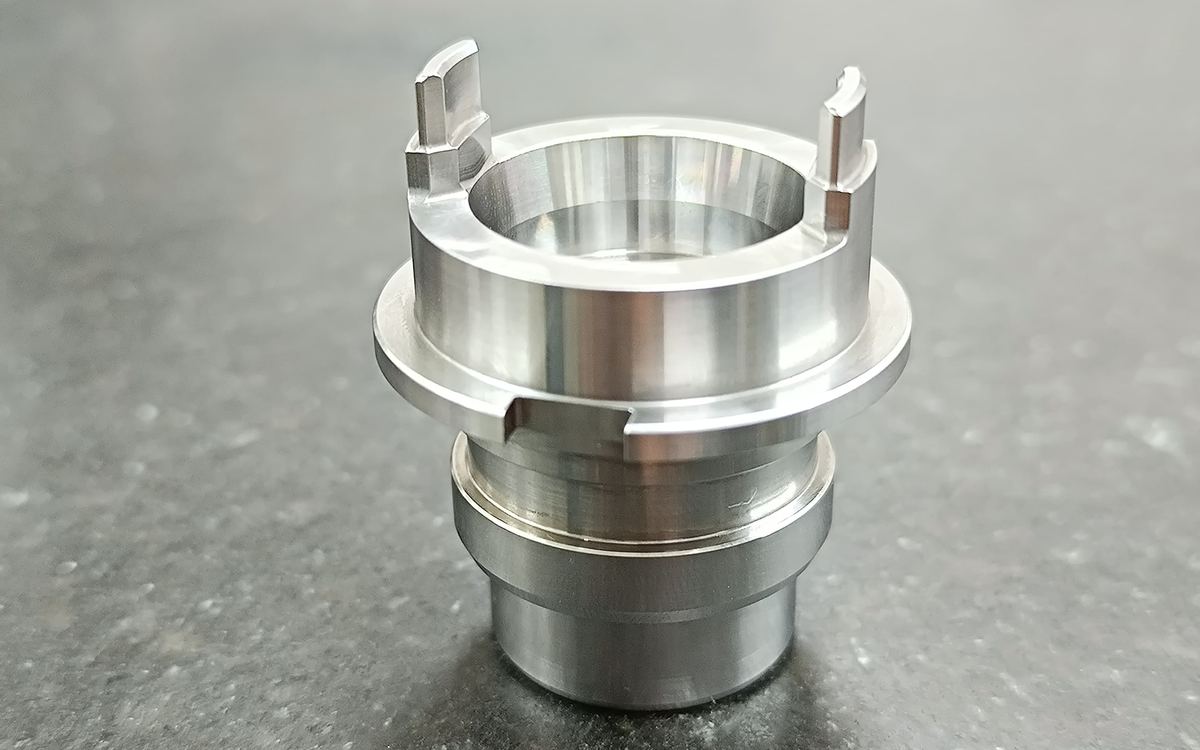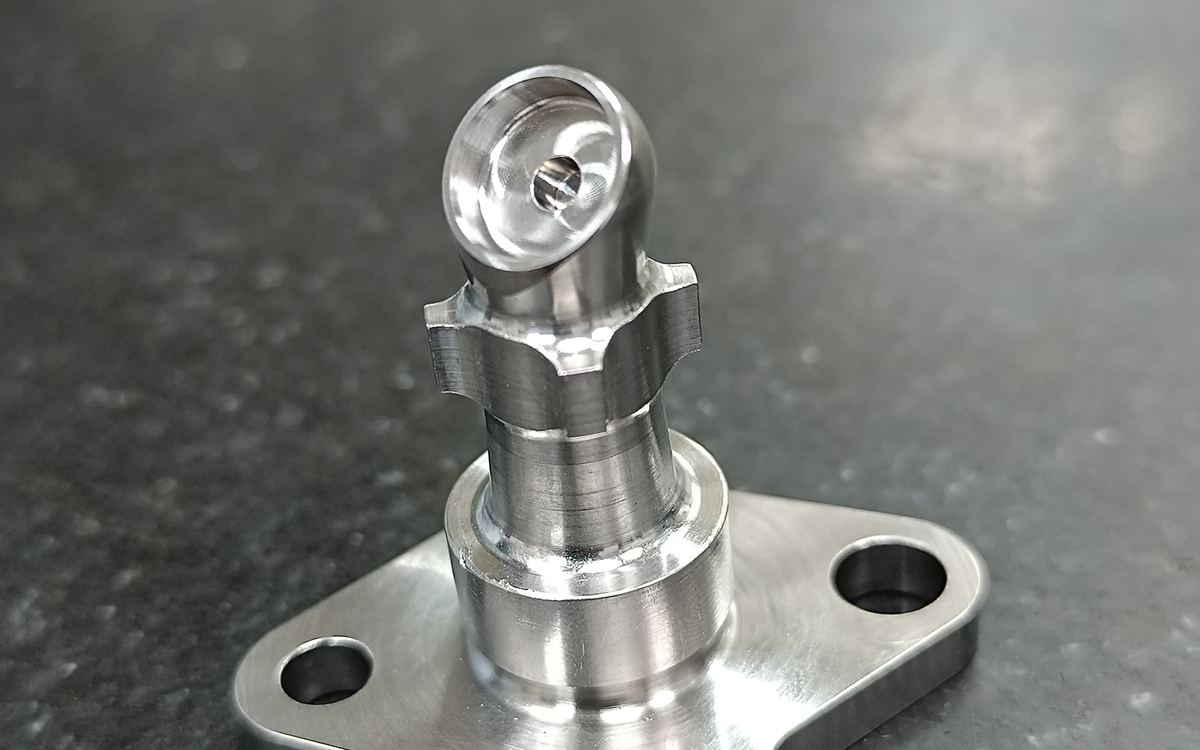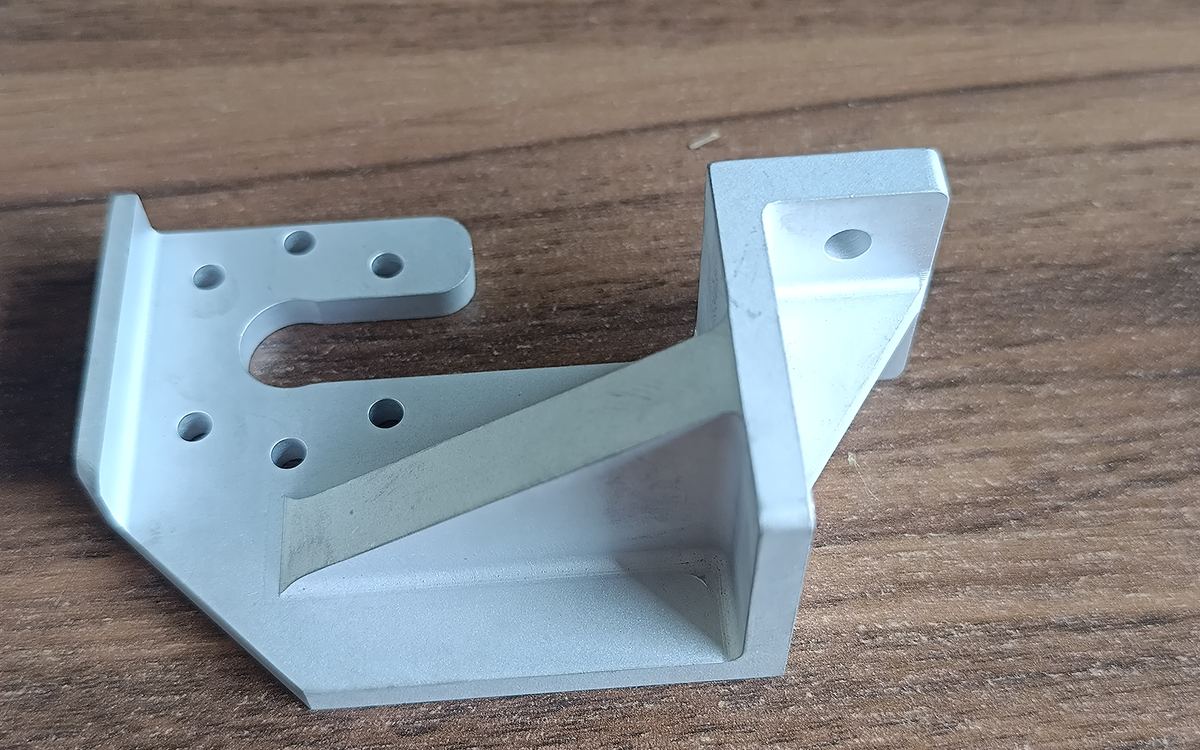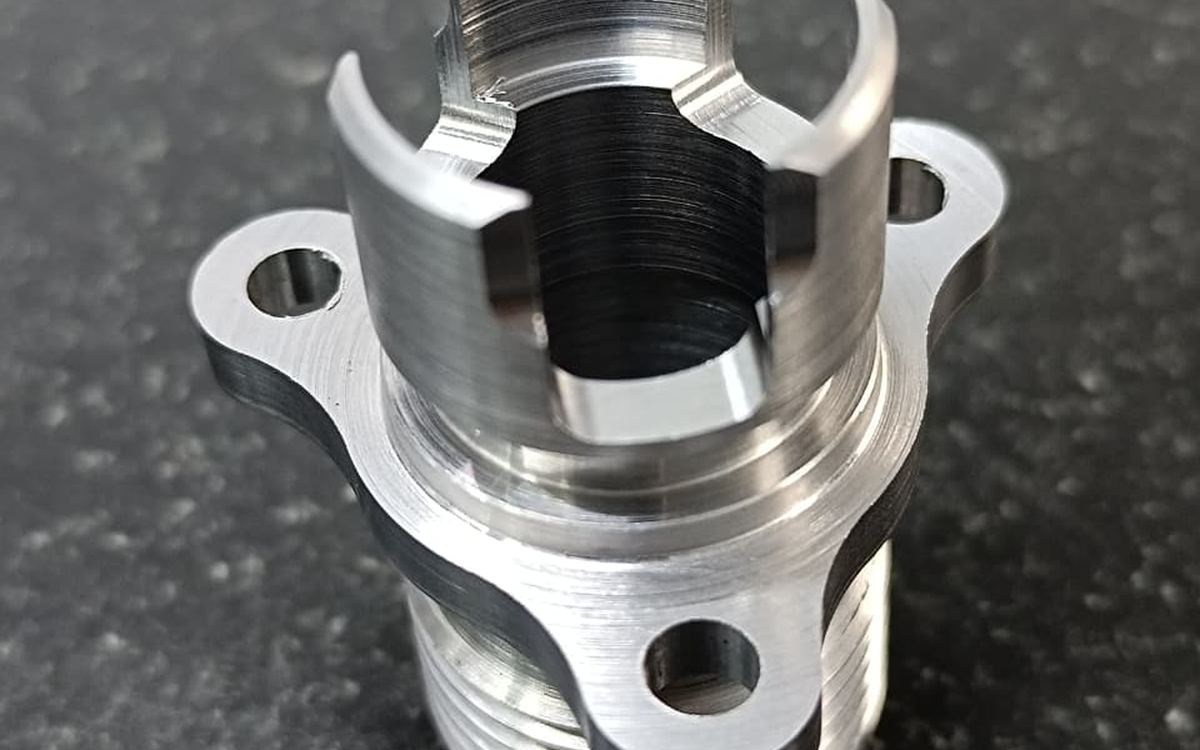
Nickel-based superalloys such as Inconel 718 and Inconel 625 are used where ordinary steels fail: high temperature, high stress and corrosive environments. You'll find them in gas turbine engines, exhaust systems, oil and gas tools, chemical processing and high-performance fasteners. They are also among the most difficult alloys to machine.
Inconel 718 vs Inconel 625
| Inconel 718 | Inconel 625 | |
|---|---|---|
| Strengthening | Precipitation hardened (age-hardenable) | Solid-solution strengthened |
| Strength | Very high after ageing | High, lower than aged 718 |
| Main strength | Strength and creep resistance to around 650 °C | Outstanding corrosion and oxidation resistance |
| Typical uses | Turbine discs, shafts, fasteners, rings, structural engine parts | Marine, chemical, exhaust, heat exchangers, seawater systems |
Why superalloys are hard to machine
- They keep their strength when hot, which is the point of the material, but it means cutting forces stay very high in the hot cutting zone.
- Rapid work hardening: a light or rubbing cut leaves a hardened layer that damages the next pass.
- Low thermal conductivity concentrates heat at the tool edge.
- Abrasive carbides in the microstructure wear tools quickly.
The result: cutting speeds are a fraction of those used for steel, and tool life is short.
How capable shops machine Inconel
- Low cutting speeds with consistent, positive chip loads, never rubbing
- Very rigid machines, workholding and short tool overhangs
- Sharp, coated carbide or ceramic tooling selected for nickel alloys
- High-pressure coolant to manage heat and chip evacuation
- Toolpaths that avoid dwelling and maintain constant engagement
- Planned tool changes based on tool life, not waiting for failure
Heat treatment and machining sequence
Inconel 718 is often rough machined in the solution-annealed condition and then aged to full strength. Ageing causes small dimensional changes, so critical features may be finished after heat treatment. Agree the sequence and the heat-treatment specification with your supplier before the order.
Controlling the cost of Inconel parts
Superalloy parts are expensive because material, machine time and tooling are all costly. You can help by:
- Choosing near-net stock (forgings or rings) for large parts
- Avoiding unnecessary deep pockets, thin walls and small internal radii
- Applying tight tolerances only to functional features
- Ordering in batches so setup and first-article costs are shared
Our DFM guide applies doubly to superalloys.
Documentation
For aerospace and energy applications, expect full material certification, heat-treatment certificates, and dimensional inspection. Many programmes require an AS9102 First Article Inspection.
Aeroedge International machines Inconel 718 and Inconel 625 under an AS9100D-certified quality system with full material traceability. Send us your superalloy part for a quote.