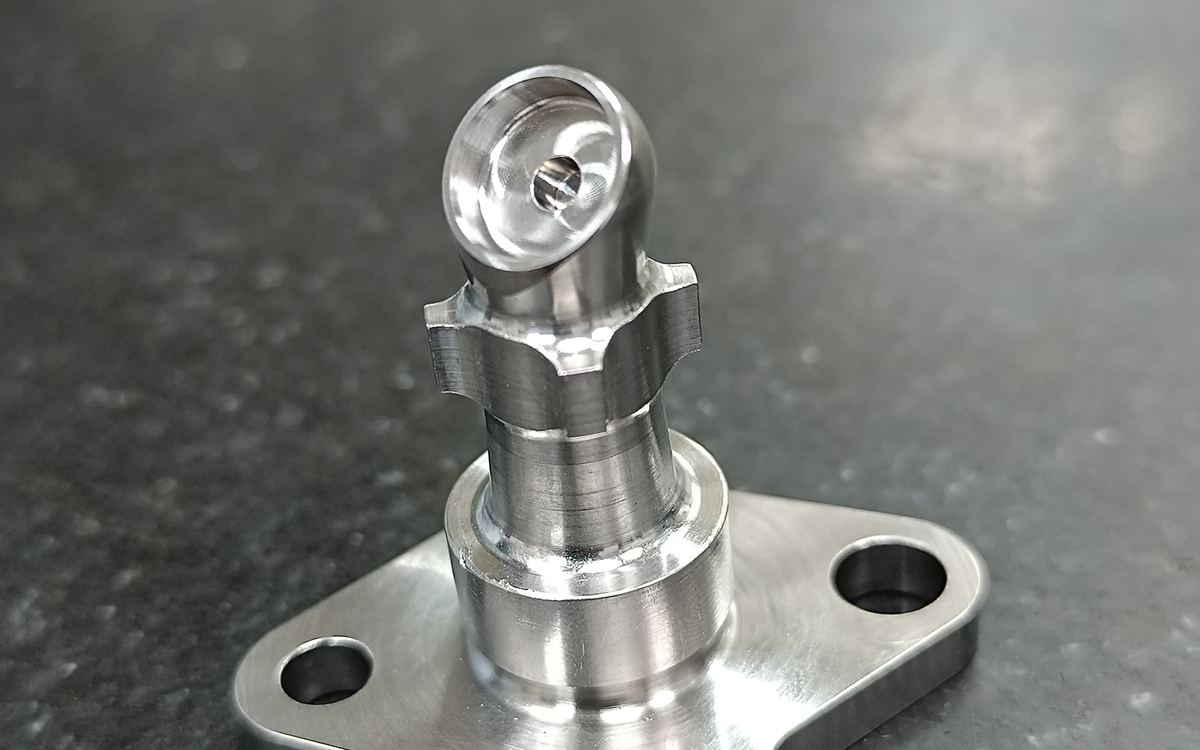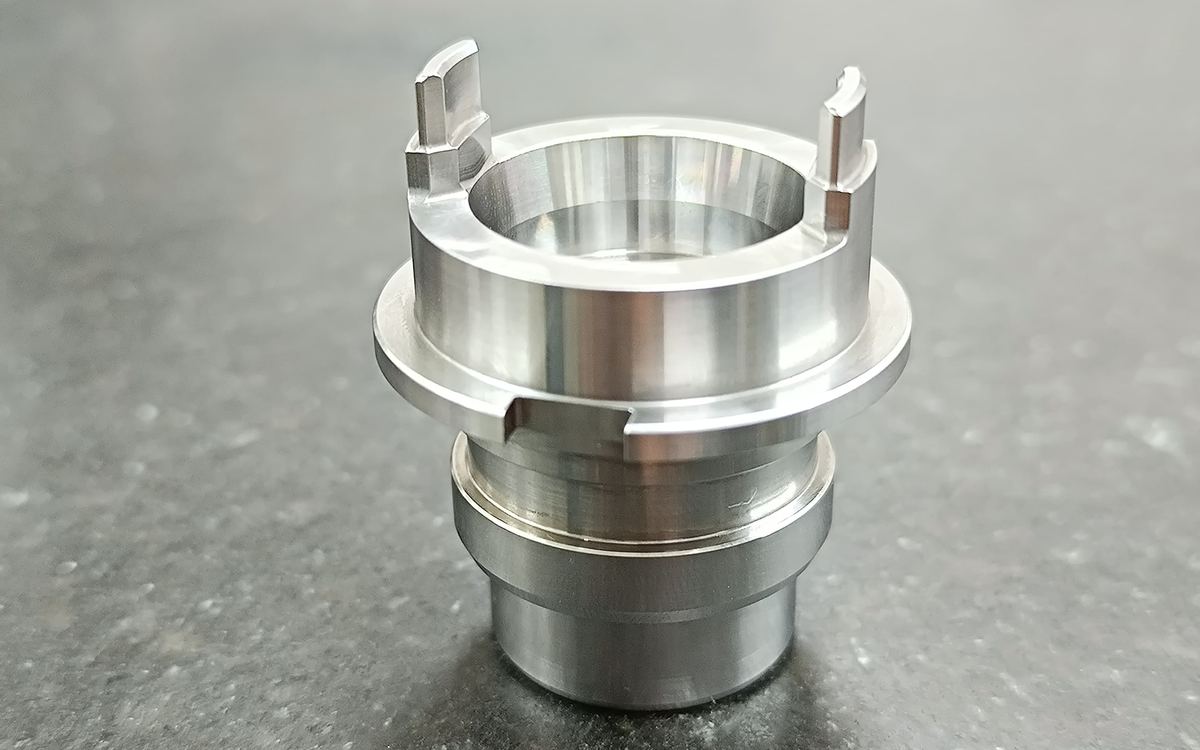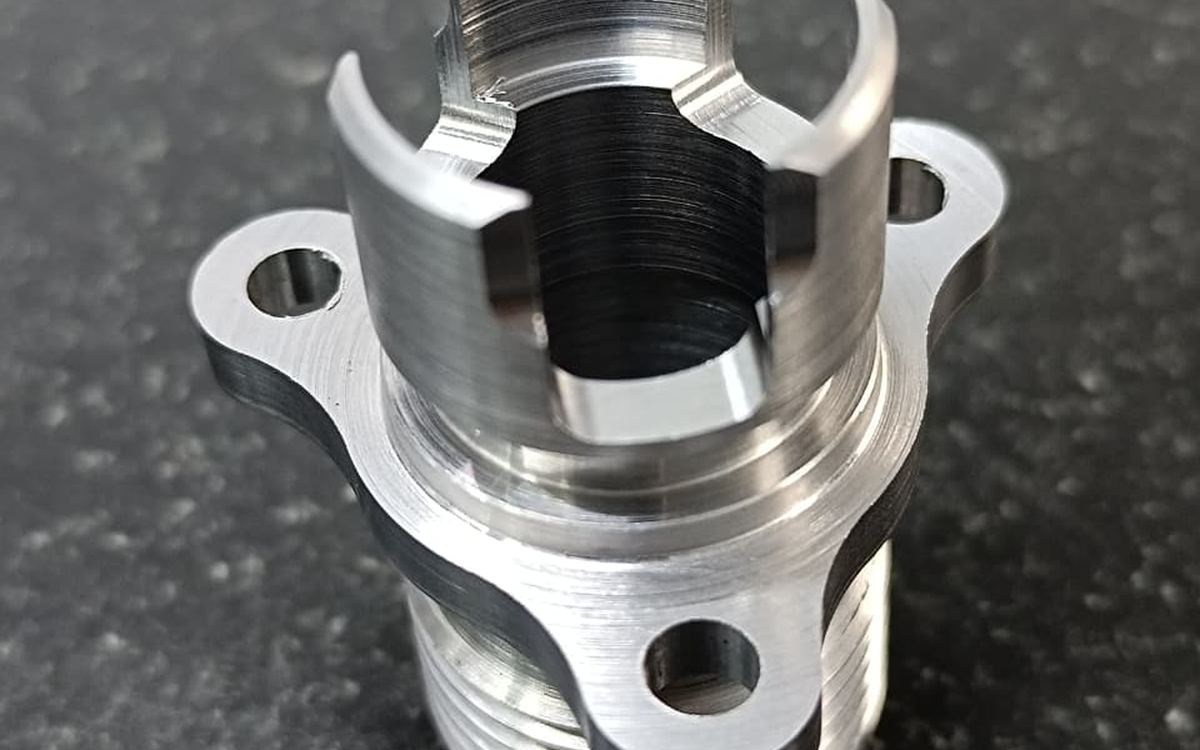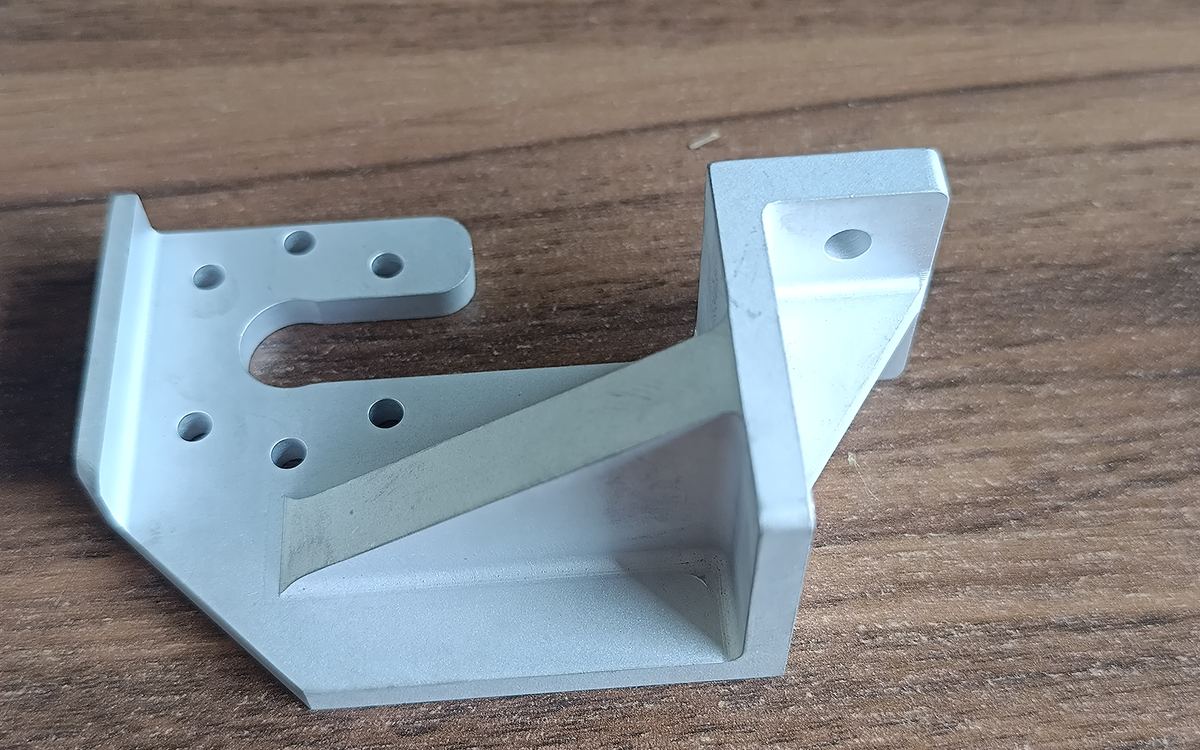
Aluminium is the most commonly CNC machined metal. It cuts quickly, holds tolerances well and anodises cleanly. The two grades buyers ask about most are 6061 and 7075. Both are excellent; they just suit different jobs.
Quick comparison
| Property (typical) | 6061-T6 | 7075-T6 |
|---|---|---|
| Main alloying elements | Magnesium, silicon | Zinc, magnesium, copper |
| Ultimate tensile strength | ~310 MPa | ~570 MPa |
| Yield strength | ~275 MPa | ~500 MPa |
| Density | 2.70 g/cm³ | 2.81 g/cm³ |
| Corrosion resistance | Very good | Moderate |
| Weldability | Good | Poor, generally not welded |
| Anodising | Excellent, clear and colours | Good, hard anodise works well |
| Relative material cost | Lower | Higher |
When to choose 6061
6061-T6 is the general-purpose workhorse. Choose it for enclosures, brackets, fixtures, manifolds, frames and most industrial components where strength is adequate and cost matters. It has very good corrosion resistance, can be welded and gives an attractive anodised finish. It is widely available in plate, bar and extrusions.
When to choose 7075
7075-T6 (or T651 plate) has close to twice the strength of 6061 and is the classic choice for highly loaded aerospace structures, defence components, high-performance automotive and motorsport parts, and tooling where stiffness and strength-to-weight matter. Its trade-offs are higher cost, lower corrosion resistance and poor weldability. It is often anodised or chromate conversion coated for protection.
Where 2024 fits in
2024-T3/T351 is a copper-based aerospace alloy with excellent fatigue resistance. It is common in fuselage structures and fittings. It machines well but has poor corrosion resistance, so it is usually protected with anodising or conversion coating.
Machinability
Both grades machine very well. 7075 is harder and produces chips that break more cleanly, often giving a slightly better surface finish. 6061 can be "gummy" in the softer tempers, but in T6 it machines cleanly at high speeds. For both, the main machining considerations are:
- Residual stress: thick plate can move after heavy material removal. Rough, release and then finish critical features, or use stress-relieved T651 plate.
- Thin walls: aluminium is easy to deflect. Keep walls reasonable and support them during finishing.
- Burrs: deburr carefully, especially on cross holes.
Anodising considerations
Anodising adds a hard oxide layer and grows the part slightly. Type II (sulphuric) anodise adds only a few microns, but Type III hard anodise can add tens of microns, roughly half of it growing outward. Tight-tolerance bores and threads should be masked or machined to allow for coating growth. More in our surface finishes guide.
Bottom line
- Default to 6061-T6 for general parts. It is cheaper, more corrosion-resistant and weldable.
- Choose 7075-T6/T651 when strength-to-weight is the driver.
- Choose 2024 when fatigue resistance is critical and the part will be protected.
Aeroedge International machines aluminium 6061, 7075 and 2024 for aerospace, industrial and automotive customers, with full material traceability. Request a quote or read about our CNC machining services.