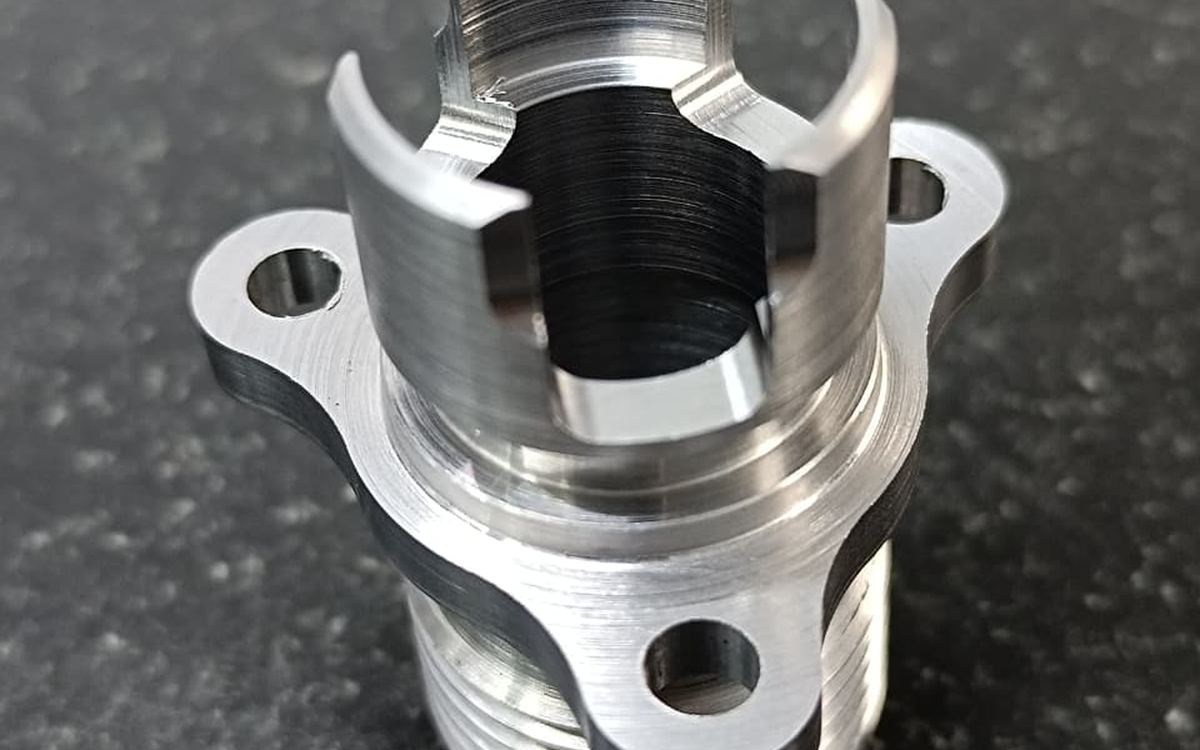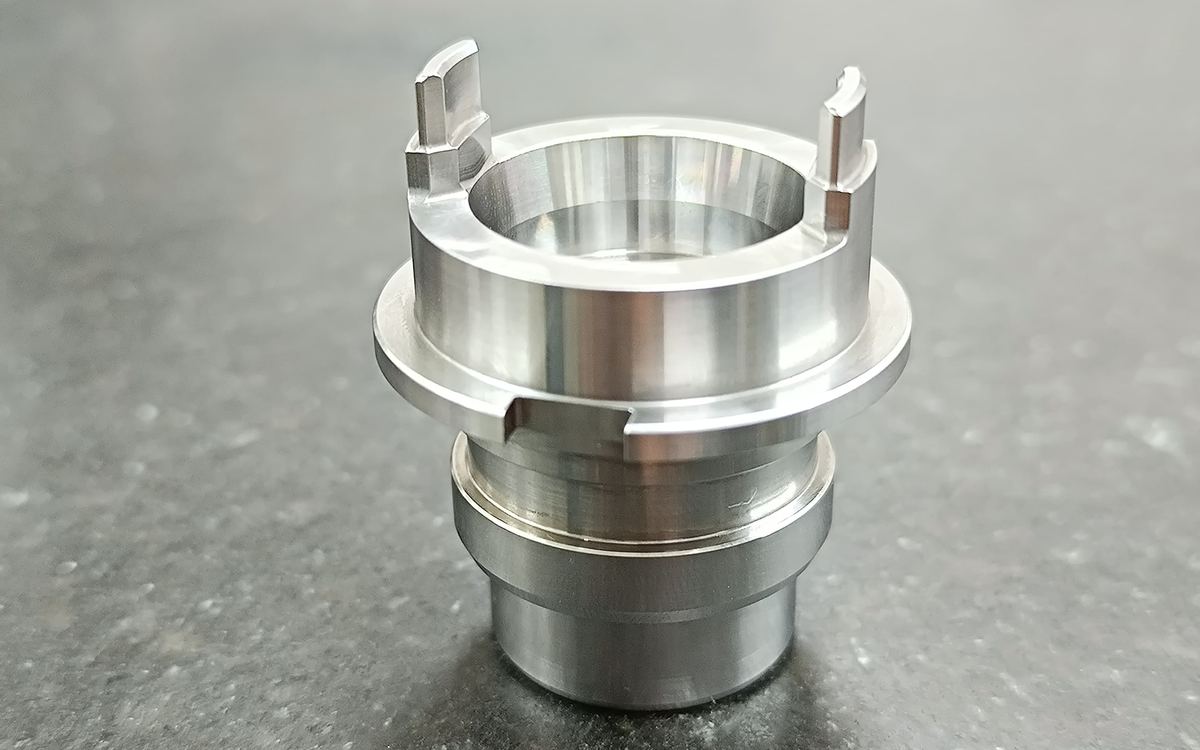
Medical devices depend on small, precise components: surgical instrument parts, orthopaedic and dental components, diagnostic equipment parts and housings. CNC machining is often the best way to make them, especially in low and medium volumes where moulding tooling isn't justified. But medical parts carry requirements beyond dimensional accuracy.
Common materials for medical machining
| Material | Typical uses |
|---|---|
| Stainless steel 316L | Instruments, implants (temporary), equipment components |
| 17-4PH and 420/440 stainless | Cutting instruments, high-strength instrument parts |
| Titanium Grade 5 / Grade 23 (ELI) | Orthopaedic and dental implants, lightweight instruments |
| Cobalt-chrome | Joint replacement components |
| Aluminium 6061 / 7075 | Equipment frames, housings, fixtures (non-patient-contact) |
| PEEK, acetal (POM) | Radiolucent and lightweight components, handles |
Biocompatibility of the finished device is the manufacturer's responsibility (typically evaluated under ISO 10993), but the machine shop must supply exactly the specified material, with certificates, and avoid contamination during machining.
Tolerances and surface finish
Medical parts are often small, with tight tolerances on mating features such as instrument hinges, locking mechanisms and implant interfaces. Surface finish matters as much as size: burrs, tool marks and sharp edges can harbour contamination or damage tissue. Expect requirements like:
- Burr-free edges, inspected under magnification
- Specified roughness on functional and patient-contact surfaces
- Passivation of stainless parts (ASTM A967 / AMS 2700)
- Electropolishing or polishing for some instruments
See our guide to surface finishes.
Cleanliness
Cutting fluids, chips and handling residue must be removed. Agree the cleaning method and packaging with your supplier, including whether parts are bagged individually and what final cleaning you will perform before sterilisation.
Traceability and process control
Medical device makers operate under ISO 13485 and regulatory requirements such as EU MDR and US FDA 21 CFR 820. Suppliers are expected to support that system with:
- Lot traceability from material heat number to finished part
- Documented, controlled processes, with changes notified in advance
- First article and in-process inspection records
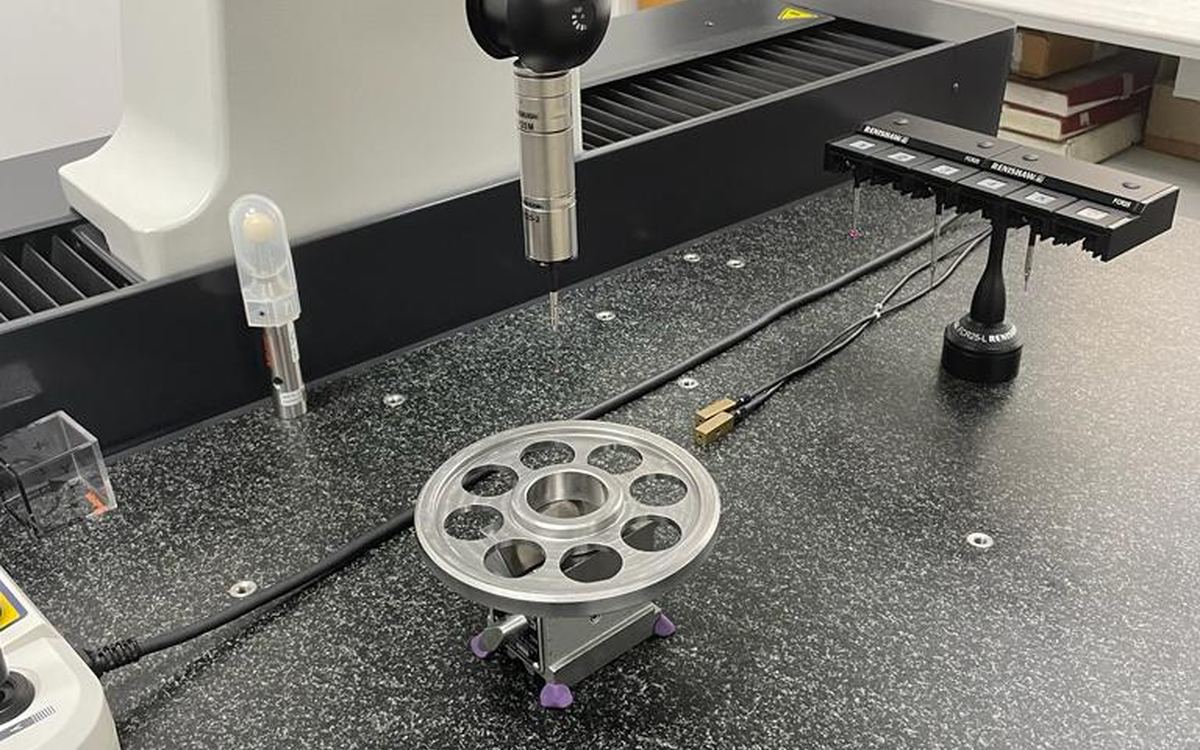
- Calibrated measurement equipment
- Non-conformance and corrective action processes
A supplier certified to ISO 9001 or AS9100 already has most of these controls in place. Your supplier qualification will confirm the rest.
Prototype to production
Medical programmes often start with small prototype batches for design verification, then move to validated production. Using the same supplier and process route from prototype onward reduces revalidation work later. Make sure your supplier can scale from a handful of pieces to production volumes without changing the process.
Aeroedge International machines surgical instrument components, implantable device components and diagnostic equipment parts in stainless steel, titanium and aluminium. Our ISO 9001:2015 and AS9100D quality system provides full material traceability and Mitutoyo CMM inspection. Talk to us about your medical components.