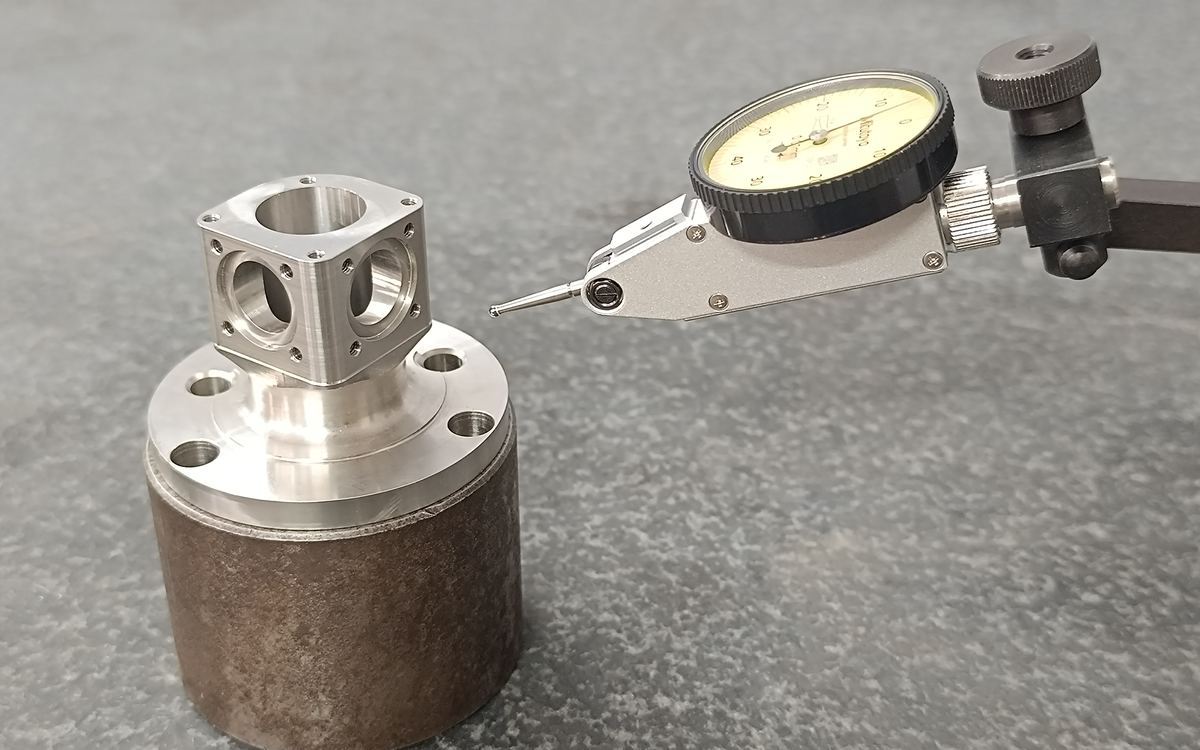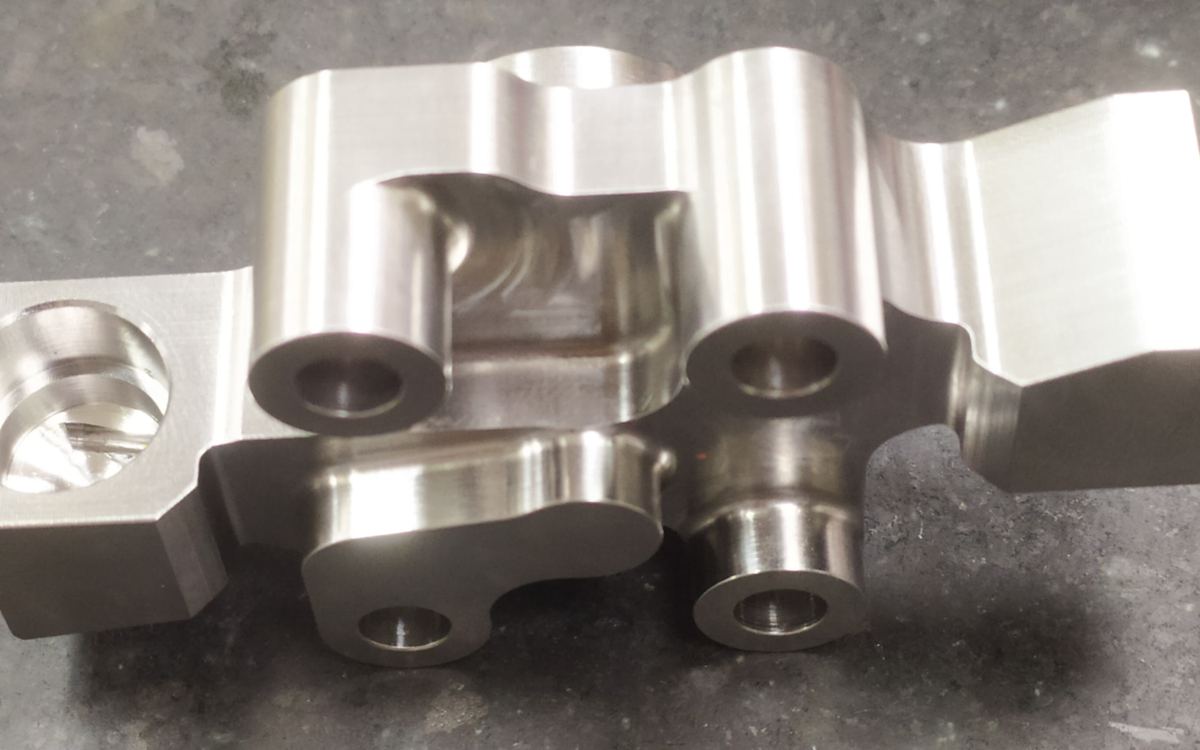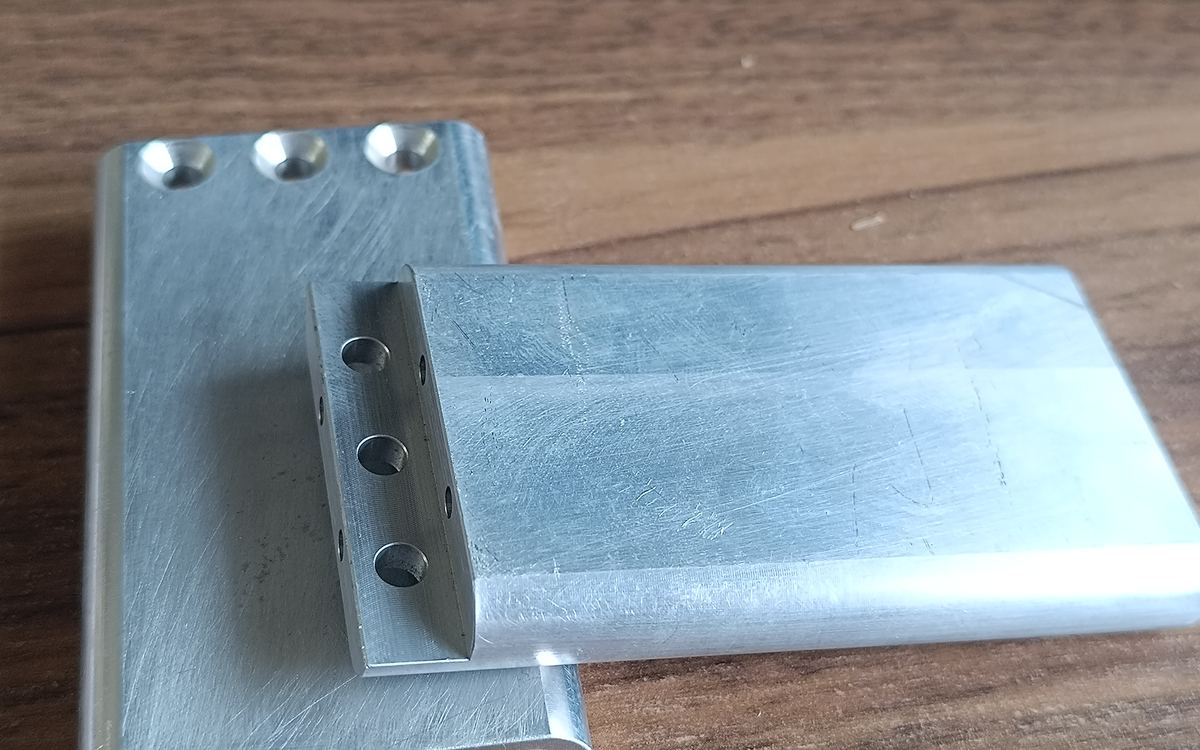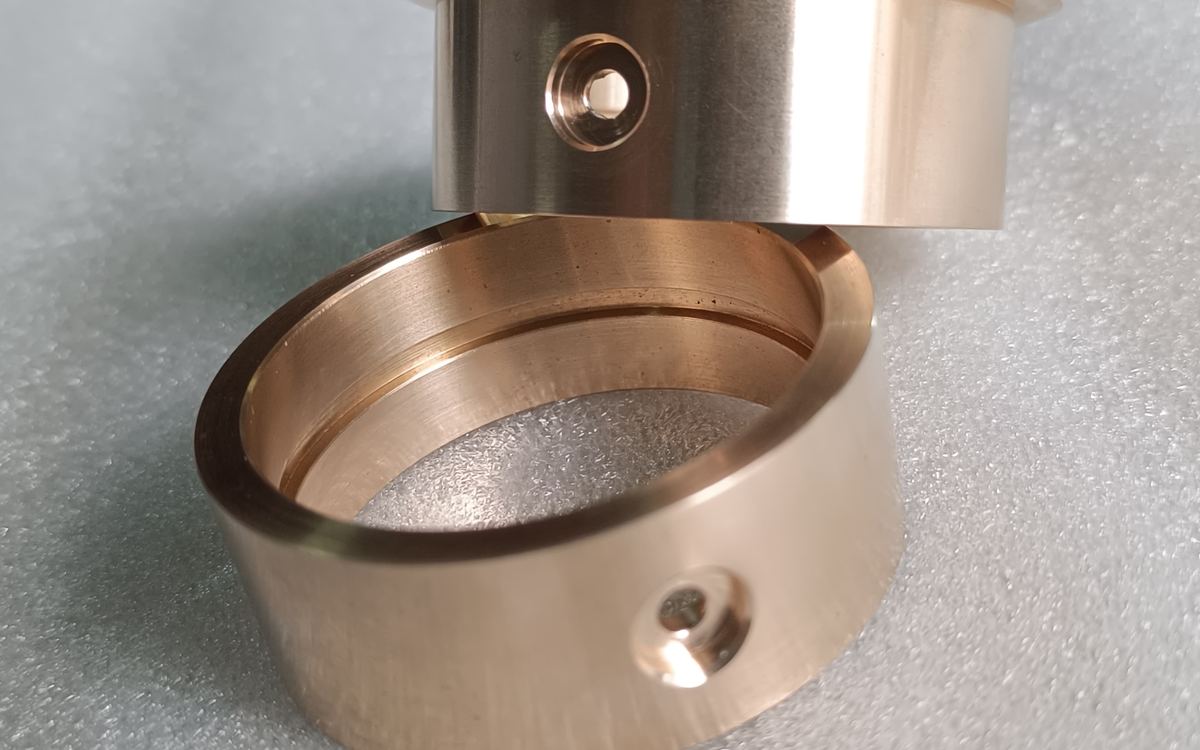
More engineering companies in Europe, North America and the Middle East are sourcing machined parts from India. Some are diversifying away from single-country supply chains, a strategy often called "China plus one". Others are simply looking for capable precision machining at a competitive cost. This guide covers what overseas buyers should know before outsourcing CNC machining to India.
Why buyers source CNC machining from India
- Engineering depth: India has a large pool of trained machinists, CNC programmers and quality engineers.
- Modern equipment: established suppliers run modern multi-axis CNC machining centres, turning centres and CNC CMMs.
- Quality systems: ISO 9001 is widespread, and a growing number of suppliers hold AS9100 for aerospace work.
- Competitive cost: labour and overhead costs are typically lower than in Western Europe or North America, especially for parts that need significant machining time.
- English-language communication and familiarity with international drawing standards (ISO, ASME) and units.
- Supply chain diversification: a second source reduces risk from tariffs, geopolitical disruption or capacity constraints.
Which parts are a good fit
Outsourcing works best for parts where machining time and skill are a large share of cost, and where demand can be planned:
- Complex milled housings, brackets and manifolds
- Precision turned components in steel, stainless, brass and bronze
- Low-to-medium volume production with repeat orders
- Parts in difficult materials such as titanium and Inconel
Very urgent, one-off parts are usually better made locally. The shipping time outweighs any saving.
Understanding total landed cost
Compare suppliers on landed cost, not piece price. Include:
- Part price (including material, finishing and inspection)
- Packaging and freight (air for small, urgent shipments; sea for larger, planned volumes)
- Import duties and taxes in your country
- Customs clearance and brokerage
- Your own costs for incoming inspection and supplier management
Agree Incoterms clearly (EXW, FOB, CIF, DAP, DDP) so both sides know who pays and owns each step.
Lead times
A realistic lead time includes material procurement, machining, finishing, inspection and shipping. Air freight from India to Europe or North America typically takes days; sea freight takes several weeks. For production parts, many buyers set up a blanket order with scheduled releases so parts are always in the pipeline.
Managing quality from a distance
- Choose a certified supplier, ISO 9001 at minimum and AS9100D for aerospace. See AS9100D vs ISO 9001.
- Require a First Article Inspection on the first batch and after any change.
- Ask for dimensional reports and material certificates to be sent before shipment, so issues are caught in India, not after customs.
- Use video calls for first-article reviews and shop-floor walkthroughs.
- Agree packaging that protects machined surfaces and prevents corrosion during sea freight.
Documentation for export
An experienced Indian exporter will handle the commercial invoice, packing list, HS codes and shipping documents, and can supply a certificate of origin where your country requires it. Quality documents such as the CoC, material certificates and inspection reports should travel with the shipment and be emailed in advance.
Protecting your intellectual property
Sign an NDA before sharing drawings, share only the files needed to quote and manufacture, and work with suppliers who control drawing revisions as part of their quality system.
Getting started
- Shortlist suppliers using our 10-step vetting checklist.
- Send a complete RFQ. See how to write a CNC RFQ.
- Run a trial order with full FAI.
- Scale up with scheduled releases once quality and delivery are proven.
Aeroedge International works with OEMs, Tier 1 suppliers and R&D organisations in India and internationally. We are ISO 9001:2015 and AS9100D certified, respect NDAs, and ship every order with material certificates and CMM inspection reports. Request a quote. We respond within 24 hours.