India has become one of the most practical places in the world to source CNC machined parts. Engineering talent is deep, modern multi-axis machining centres are common, and quality systems such as ISO 9001 and AS9100 are now standard among serious suppliers. But "CNC machining India" covers everything from a two-machine job-work shop to a fully certified aerospace supplier, and choosing the wrong partner costs far more than the price difference on a quote.
This guide covers what we believe buyers should check before placing an order, whether you are an OEM in India or an overseas engineering team sourcing from Gujarat, Maharashtra or Karnataka.
1. Start with the quality system, not the price
A low piece price means nothing if parts arrive out of tolerance. Ask for current certificates and check the scope:
- ISO 9001:2015 is the baseline for any professional machine shop. It shows there is a documented process for contract review, calibration, non-conformance and corrective action.
- AS9100D is required for most aerospace and defence work. It adds configuration management, counterfeit-part prevention, product safety and on-time delivery monitoring on top of ISO 9001.
- For medical components, ask whether the supplier can work inside your ISO 13485 system: material traceability, documented processes and controlled change.
We explain the difference in detail in AS9100D vs ISO 9001:2015.
2. Check how parts are inspected
Every machine shop says it delivers "high precision". The question is how they prove it. Look for:
- A CNC coordinate measuring machine (CMM) for geometric tolerances such as position, profile and flatness.
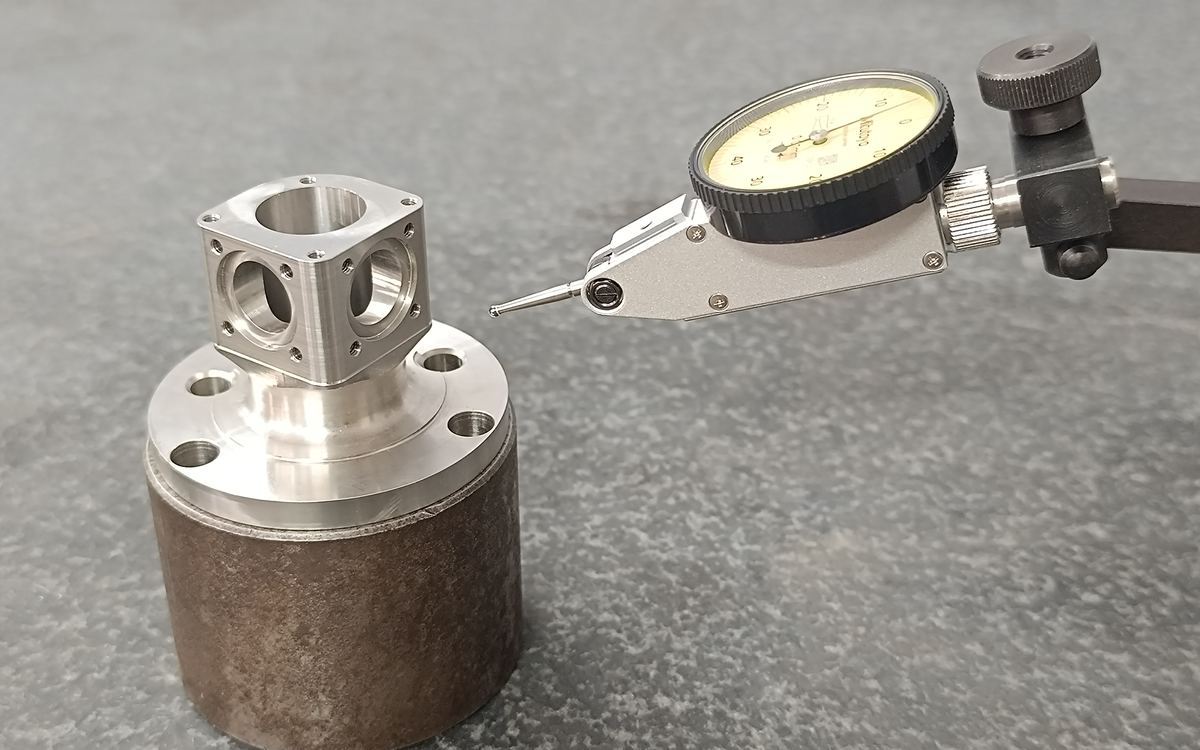
- Calibrated hand gauges, bore gauges, height gauges and a profile projector for in-process checks.
- First Article Inspection (FAI) reports, ideally to AS9102 format for aerospace parts.
- A temperature-controlled inspection room. Metal grows about 11–23 µm per metre per °C, so tight tolerances measured in a hot shop are not reliable.
Read more in CMM inspection and First Article Inspection explained.
3. Match the machines to your parts
A supplier with excellent turning capacity may not be the best choice for complex five-axis housings, and vice versa. Share a representative drawing and ask which machine it would run on. Key capabilities to confirm:
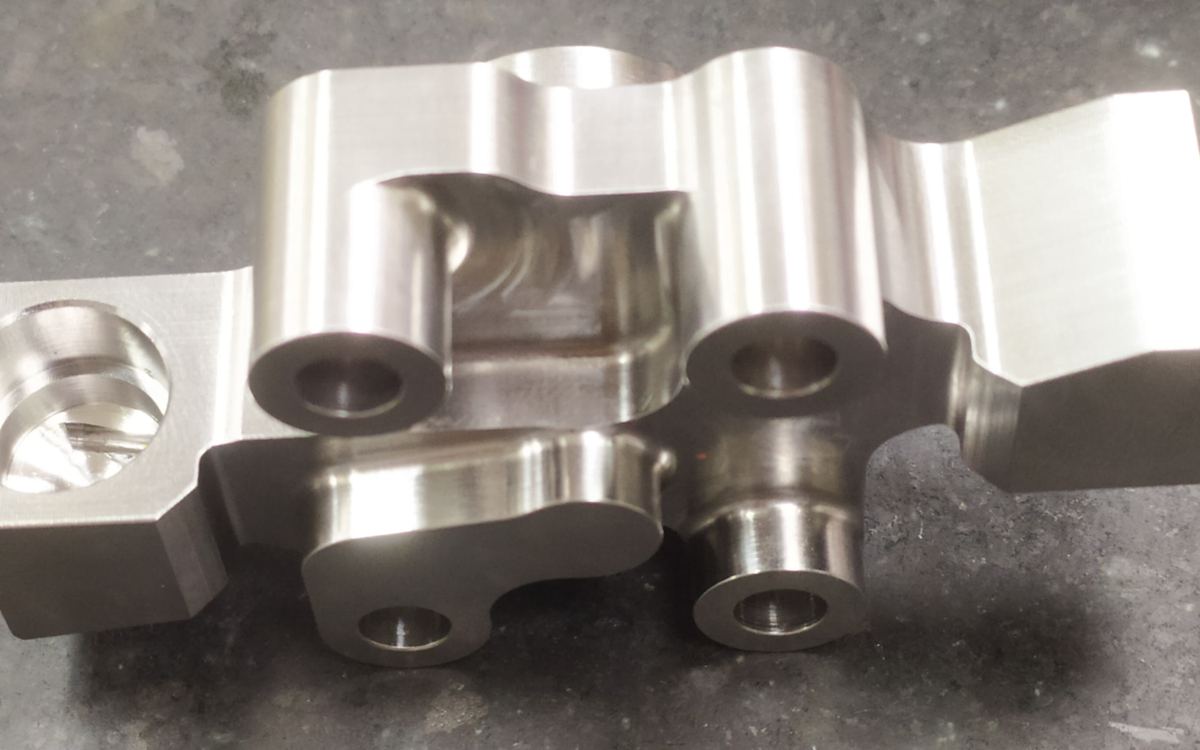
- 3-axis and 5-axis CNC milling for prismatic parts, brackets, housings and manifolds.
- CNC turning for shafts, bushes, pins, sleeves and threaded components.
- Maximum part envelope and weight.
- CAD/CAM capability, so the supplier can program directly from your STEP model.
4. Confirm material sourcing and traceability
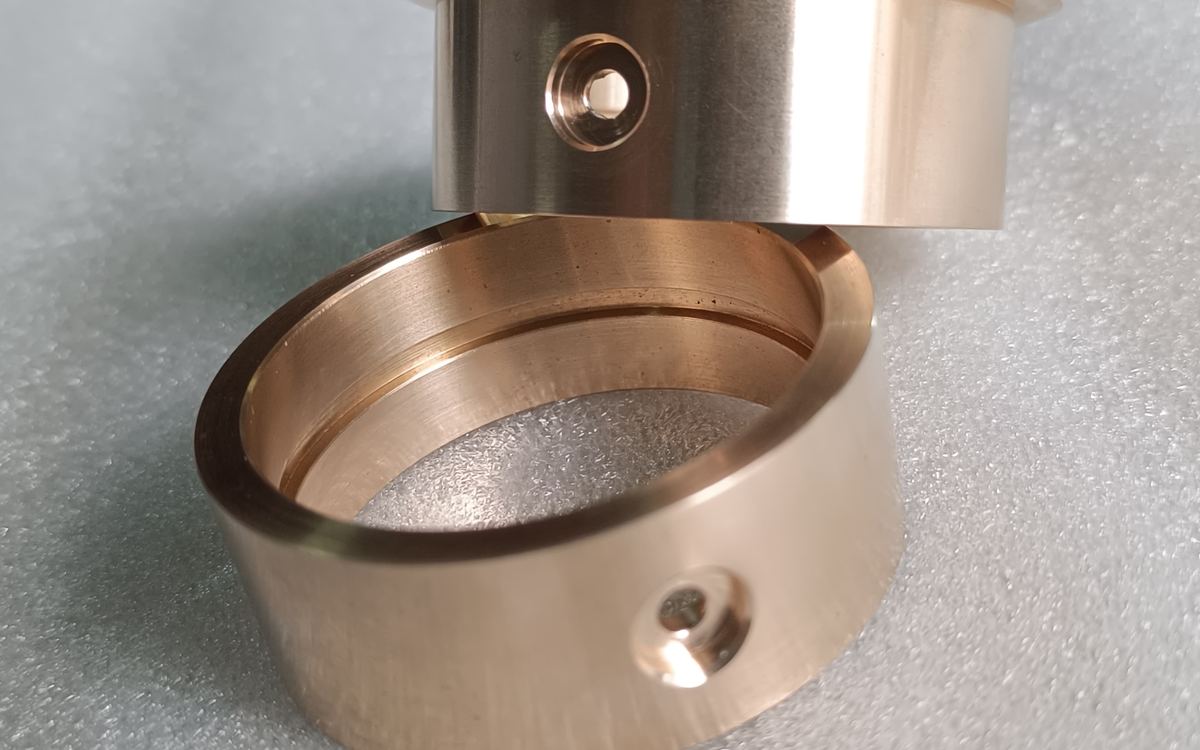
Ask where bar and plate come from and whether you will receive mill test certificates (EN 10204 3.1 or equivalent) with each lot. For aerospace and medical work, every part should trace back to a heat number. Good suppliers in India routinely machine aluminium 6061, 7075 and 2024, stainless steels such as 304, 316 and 17-4PH, alloy steels like 4140 and 4340, titanium Grade 5, brass, bronze and nickel superalloys like Inconel 718.
5. Understand lead times realistically
Machining time is rarely the bottleneck. Material procurement, outside processes such as anodising or heat treatment, and inspection all add time. A realistic supplier will give you a lead time that includes each step. As a reference, our own prototype lead time is typically 14–21 working days depending on material availability and finishing.
6. Ask about export documentation
If you are importing from India, confirm the supplier is comfortable with:
- Commercial invoice, packing list and HS codes
- Certificates of conformity, material certificates and inspection reports shipped with the parts
- Export packaging that protects machined surfaces from corrosion and handling damage
- NDAs and controlled handling of your drawings
7. CNC job work vs a manufacturing partner
In India, "CNC job work" usually means a shop machines to your drawing using material you supply, with limited responsibility beyond the machining operation. That model works well for simple, high-volume parts. For critical components, a full-service partner who buys material, machines, inspects, finishes and documents the part reduces your risk and the number of suppliers you manage. We compare the options in manufacturers vs traders vs online platforms.
For a step-by-step process, see our 10-step checklist for finding a good CNC supplier in India, and if you are buying from overseas, our guide to outsourcing CNC machining to India.
Questions to ask on the first call
- Can you share your ISO 9001 / AS9100 certificate and its scope?
- What CMM do you use, and can I see a sample inspection report?
- Which machine would this part run on?
- Do you supply material certificates with each batch?
- What is your on-time delivery record over the last 12 months?
- How do you handle a non-conformance?
Working with Aeroedge International
Aeroedge International is a family-owned precision CNC machining company with more than 20 years of experience, certified to ISO 9001:2015 and AS9100D. We machine steel, stainless, titanium, aluminium, brass, bronze and Inconel on 3-axis and 5-axis CNC milling and CNC turning, with Mitutoyo CNC CMM inspection and full material traceability. See our CNC machining services or send us a drawing for a quote. We respond within 24 hours.