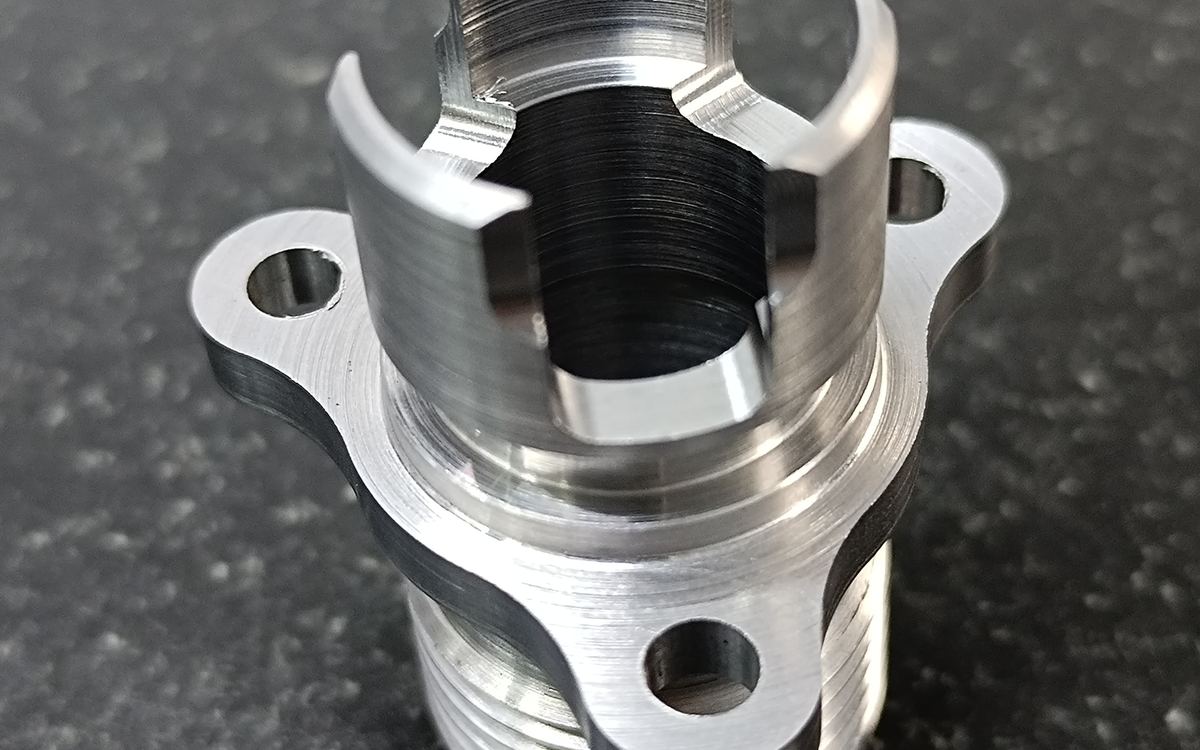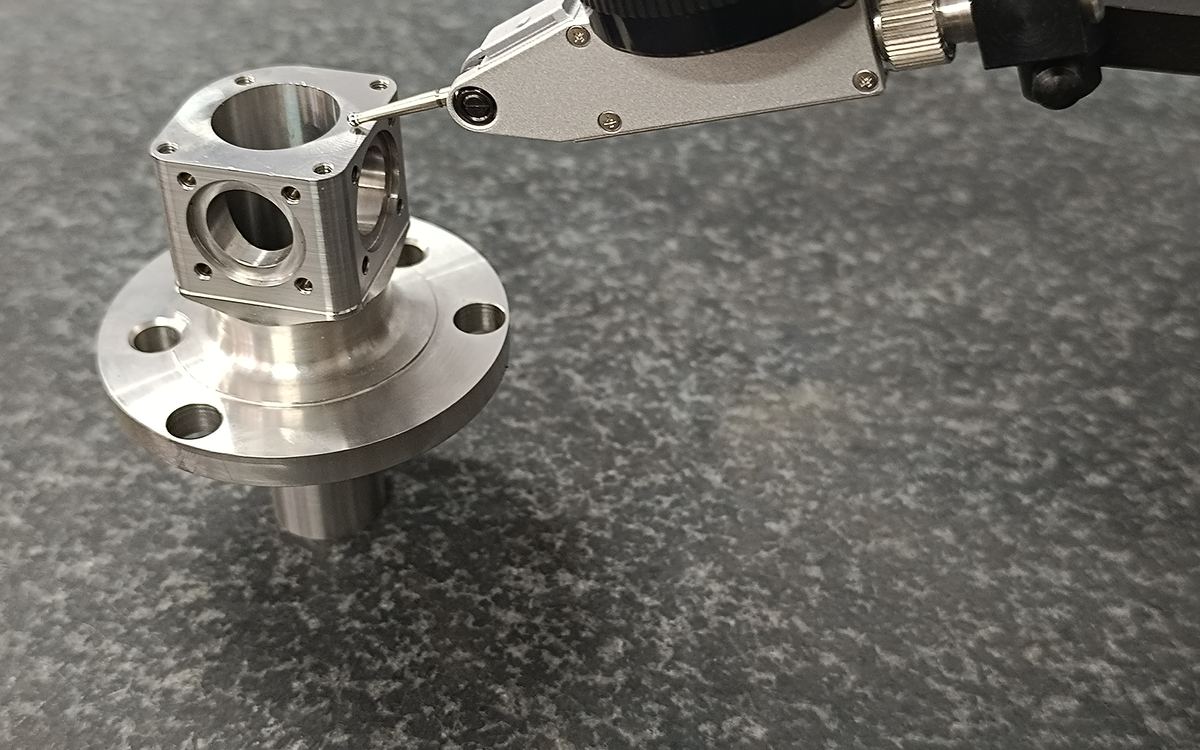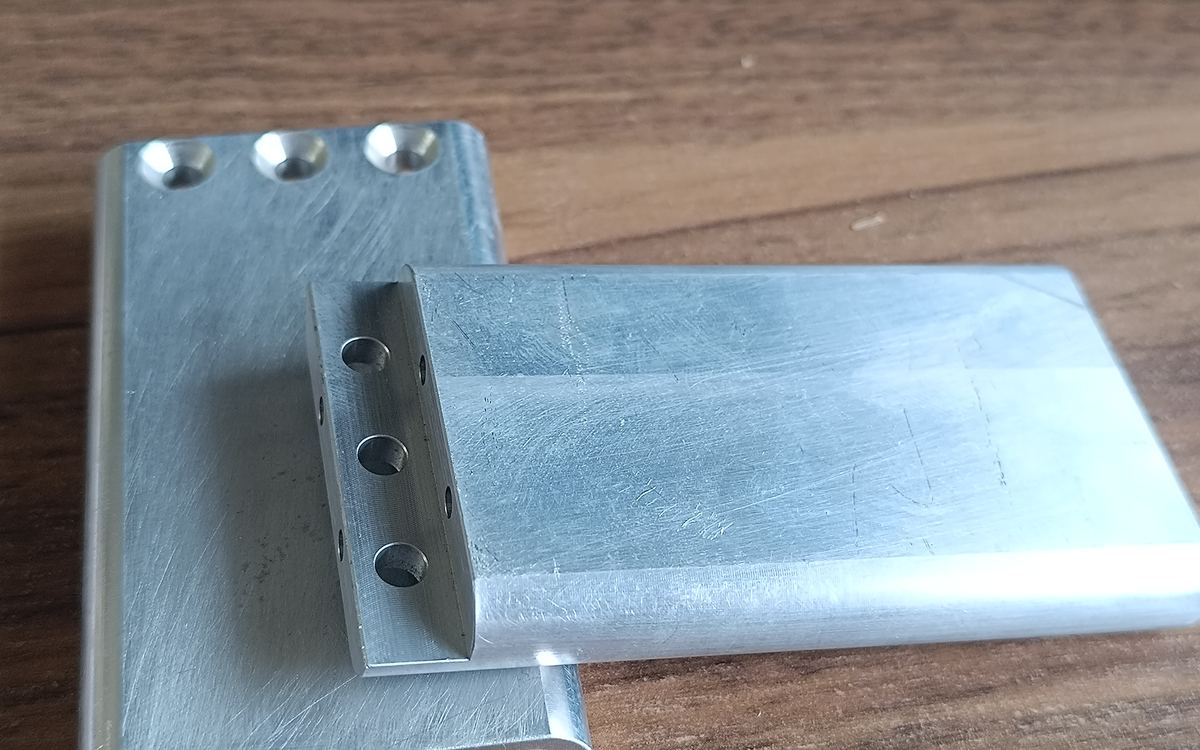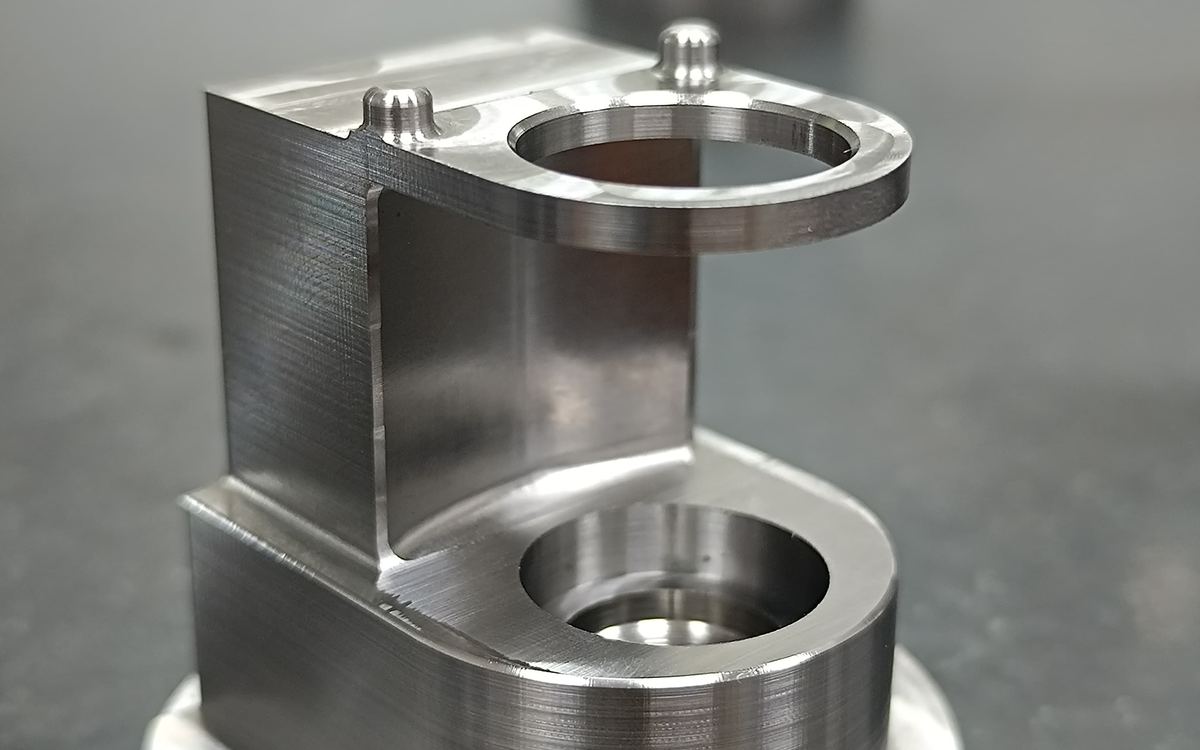
"5-axis" is one of the most used phrases in CNC machining marketing, and one of the least explained. Five-axis machining is not automatically better or more accurate. It is a tool that pays off on certain parts. Here is how to tell whether your part is one of them.
What the axes mean
A 3-axis machining centre moves the tool along X, Y and Z. The tool always points straight down, so the machine can only reach features on the face pointing up. To machine another face, the operator removes the part and refixtures it in a new setup.
A 5-axis machine adds two rotary axes (commonly called A/B or B/C) that tilt and rotate the part or spindle. The tool can approach the part from almost any direction.
3+2 vs simultaneous 5-axis
- 3+2 (positional) machining: the rotary axes index the part to an angle, lock, and the machine cuts with normal 3-axis moves. This covers most "5-axis" work: features on multiple faces, angled holes and compound angles, all in one setup.
- Simultaneous 5-axis: all five axes move at once during cutting. This is needed for freeform surfaces such as impellers, blades, turbine components and organic shapes.
Why fewer setups matter
Every time a part is unclamped and refixtured, a small positional error is introduced, commonly in the order of 0.01–0.02 mm even with careful work. A part machined in four setups on a 3-axis machine can stack those errors between features on different faces. Machining the same part in one or two 5-axis setups keeps all features referenced to the same datum, which directly improves true position and perpendicularity between faces.
Fewer setups also mean less operator handling, fewer fixtures to design and shorter lead times.
Does 5-axis cost more?
The hourly rate of a 5-axis machine is higher, and programming takes longer. But total part cost can be lower when 5-axis removes several setups and custom fixtures. As a rule of thumb:
| Part type | Usually best on |
|---|---|
| Flat plates, simple brackets, features on 1–2 faces | 3-axis |
| Housings and blocks with features on 4–5 faces | 3+2 five-axis |
| Angled holes and compound-angle faces | 3+2 five-axis |
| Freeform surfaces, impellers, blades | Simultaneous 5-axis |
| High volume simple parts | 3-axis with dedicated fixtures |
Other advantages of 5-axis
- Shorter tools: tilting the part lets the machine use a shorter, stiffer cutter in deep pockets, improving surface finish and accuracy.
- Better finish on contours: the tool can stay normal to the surface.
- Undercuts: some undercut features become accessible without special tooling.
Designing for 5-axis
If you know your part will be 5-axis machined, leave a clamping area or allow extra stock for a holding tab, and keep the part compact so the rotary axes have clearance. Our DFM guide for CNC parts covers more general rules.
Aeroedge International runs both 3-axis and 5-axis CNC milling and selects the machine for each part based on geometry, tolerance and quantity, not on what sounds impressive. Request a quote and we'll tell you which approach we'd use and why.